Not All Wax Is the Same: How to Choose Between Chocolate, Aloe & Honey
Posted on:
16 Jan 2026
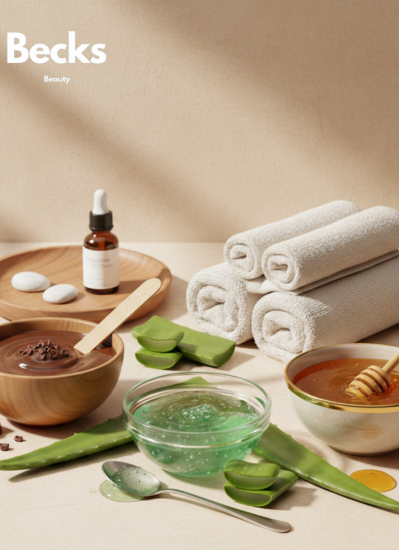
Waxing is usually something people just get through. You book it, lie there, stare at the ceiling, and quietly hope your skin behaves when it’s over. Sometimes it is. Sometimes you leave wondering why your skin feels angry for days.
What most people don’t realise—until it’s too late—is that the problem isn’t always the waxer. It’s the wax itself. You must know that chocolate, aloe, and honey wax don’t behave the same on the skin. You pick the wrong one and make your skin suffer.
Chocolate Wax: Best for Sensitive, Reactive Skin
Chocolate wax isn’t there to impress you. It’s usually the option people land on after their skin has already had enough. Redness, bumps, that lingering sting that doesn’t quite fade—this is the wax salon's reach for when skin needs a break. It stays softer, pulls cleaner, and doesn’t feel like it’s fighting your body. Less heat, less drama. You notice the difference when you stand up, not days later.
Who it’s best for:
● Sensitive or irritated skin
● First-time waxing clients
● Underarms, bikini area, face
● Anyone prone to redness or bumps
What to expect: Less sting, more comfort. Chocolate wax takes its time, but it’s kind to your skin. Hair comes off clean, and what’s left behind feels softer and calmer. It may not be the quickest option, but it’s one of the easiest on the skin.
Aloe Wax: Cooling, Calming, Skin-First
If your skin flares up over the smallest things—new products, a change in weather, even stress—aloe wax tends to make more sense. It’s chosen less for strength and more for how it treats the skin while the hair’s coming off. It feels calmer, lighter, less confrontational.
It’s usually used with strips, applied thin and quickly, which makes it easier on larger areas. Fewer passes, less pulling, and skin that settles faster instead of staying irritated.
Who it’s best for:
● Dry or irritated skin
● Legs, arms, back
● People who wax regularly
● Need calmness after a treatment
What to expect: A smoother, more refreshing experience. Aloe wax feels lighter on the skin and often leaves less redness behind, especially on large areas. It may not grip very coarse hair as strongly as other waxes, but it’s gentle and reliable.
Honey Wax: Strong, Natural, Old-School Effective
Honey wax has been around forever, and not by accident. It’s thick, sticky, and doesn’t mess around—great when hair is coarse or refuses to come out easily. It grips hard and pulls clean. Many people like it because the formulas tend to be simpler and more natural. Effective, yes—but you’ll definitely feel it working.
Who it’s best for:
● Coarse or thick hair
● Legs and arms
● People used to waxing
● Those who prefer natural formulations
What to expect: Honey wax gets the job done—but you’ll feel it. It is stronger, the skin is extremely smooth, and it works quickly, particularly on stubborn hair. With sensitive skin, you will have a little more redness. Effective, yes. Gentle? Not really.
So… Which One Should You Choose?
There isn’t one “best” wax—just the one your skin actually agrees with. If comfort matters most, chocolate wax is usually the safest bet. If your skin needs calming, especially on larger areas, aloe makes life easier. And if hair is stubborn and your skin can handle it, honey does the heavy lifting.
Most people go wrong by treating all wax the same. It isn’t. The right choice makes the difference between dreading your next appointment and barely thinking about it at all.
Final Thought
Waxing does not have to be a torture test. Once the wax really fits your skin, then you can tell that everything is different. Next time you book, ask what wax they’re using. With a reliable salon, you will
What most people don’t realise—until it’s too late—is that the problem isn’t always the waxer. It’s the wax itself. You must know that chocolate, aloe, and honey wax don’t behave the same on the skin. You pick the wrong one and make your skin suffer.
Chocolate Wax: Best for Sensitive, Reactive Skin
Chocolate wax isn’t there to impress you. It’s usually the option people land on after their skin has already had enough. Redness, bumps, that lingering sting that doesn’t quite fade—this is the wax salon's reach for when skin needs a break. It stays softer, pulls cleaner, and doesn’t feel like it’s fighting your body. Less heat, less drama. You notice the difference when you stand up, not days later.
Who it’s best for:
● Sensitive or irritated skin
● First-time waxing clients
● Underarms, bikini area, face
● Anyone prone to redness or bumps
What to expect: Less sting, more comfort. Chocolate wax takes its time, but it’s kind to your skin. Hair comes off clean, and what’s left behind feels softer and calmer. It may not be the quickest option, but it’s one of the easiest on the skin.
Aloe Wax: Cooling, Calming, Skin-First
If your skin flares up over the smallest things—new products, a change in weather, even stress—aloe wax tends to make more sense. It’s chosen less for strength and more for how it treats the skin while the hair’s coming off. It feels calmer, lighter, less confrontational.
It’s usually used with strips, applied thin and quickly, which makes it easier on larger areas. Fewer passes, less pulling, and skin that settles faster instead of staying irritated.
Who it’s best for:
● Dry or irritated skin
● Legs, arms, back
● People who wax regularly
● Need calmness after a treatment
What to expect: A smoother, more refreshing experience. Aloe wax feels lighter on the skin and often leaves less redness behind, especially on large areas. It may not grip very coarse hair as strongly as other waxes, but it’s gentle and reliable.
Honey Wax: Strong, Natural, Old-School Effective
Honey wax has been around forever, and not by accident. It’s thick, sticky, and doesn’t mess around—great when hair is coarse or refuses to come out easily. It grips hard and pulls clean. Many people like it because the formulas tend to be simpler and more natural. Effective, yes—but you’ll definitely feel it working.
Who it’s best for:
● Coarse or thick hair
● Legs and arms
● People used to waxing
● Those who prefer natural formulations
What to expect: Honey wax gets the job done—but you’ll feel it. It is stronger, the skin is extremely smooth, and it works quickly, particularly on stubborn hair. With sensitive skin, you will have a little more redness. Effective, yes. Gentle? Not really.
So… Which One Should You Choose?
There isn’t one “best” wax—just the one your skin actually agrees with. If comfort matters most, chocolate wax is usually the safest bet. If your skin needs calming, especially on larger areas, aloe makes life easier. And if hair is stubborn and your skin can handle it, honey does the heavy lifting.
Most people go wrong by treating all wax the same. It isn’t. The right choice makes the difference between dreading your next appointment and barely thinking about it at all.
Final Thought
Waxing does not have to be a torture test. Once the wax really fits your skin, then you can tell that everything is different. Next time you book, ask what wax they’re using. With a reliable salon, you will